
Filter opties

Europe
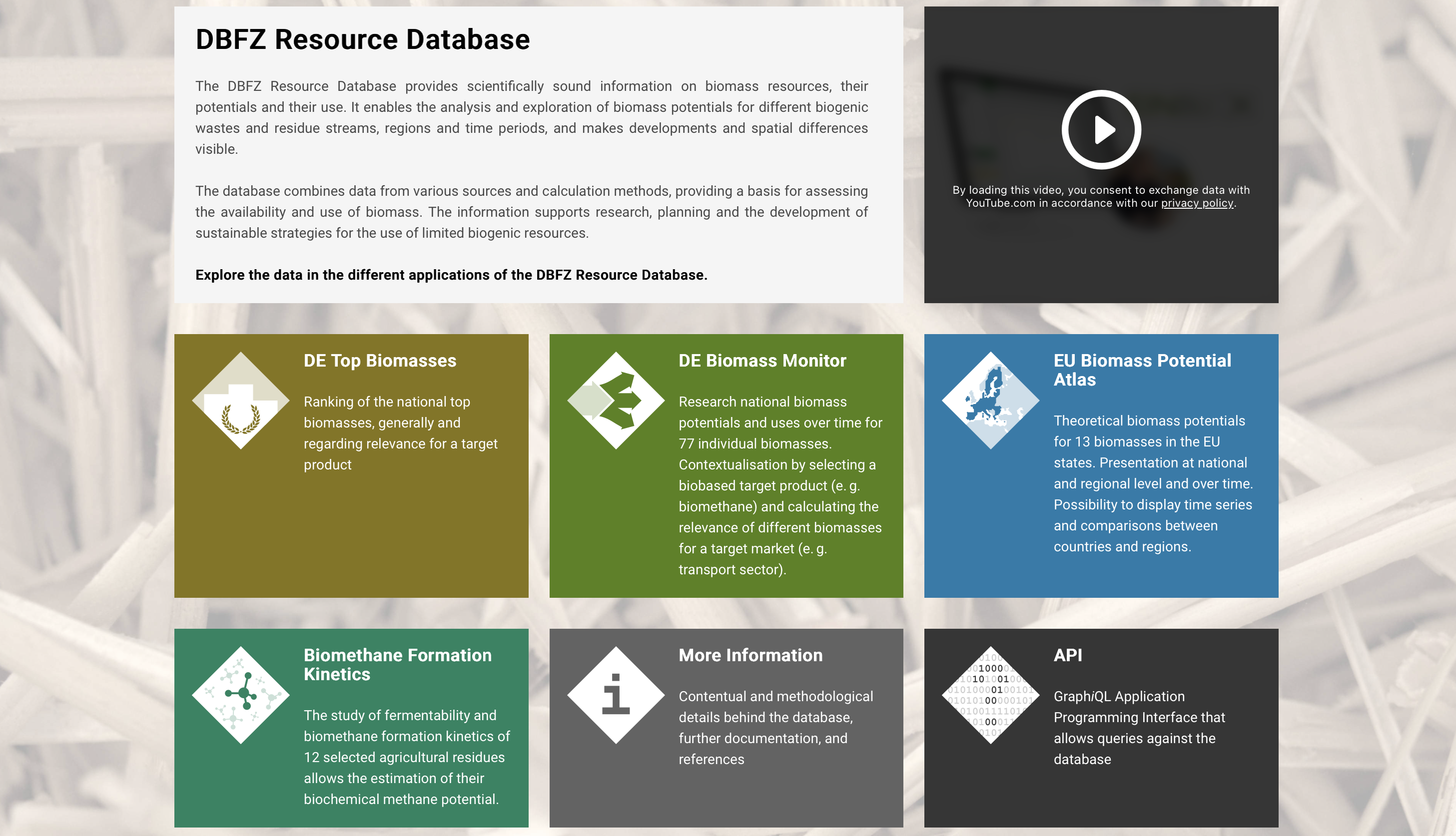
DBFZ Resources Database
The DBFZ database provides scientifically sound information on biomass resources, their potentials and their use. It enables the analysis and exploration of biomass potentials for different biogenic wastes and residue streams, regions and time periods.
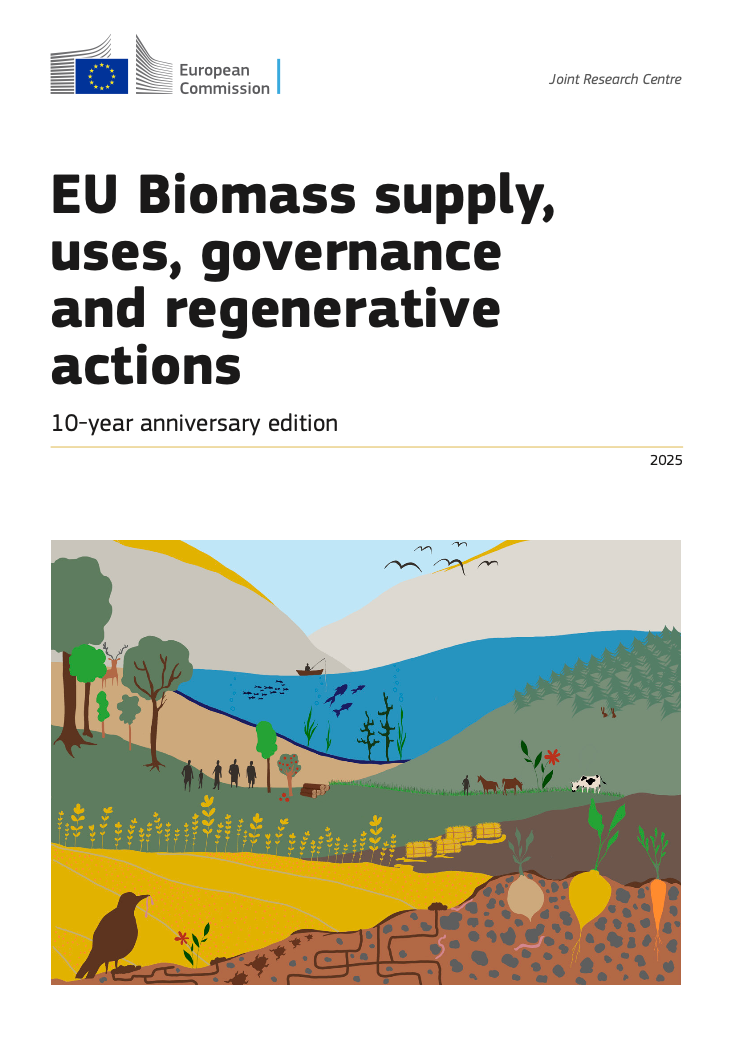
JRC: EU Biomass supply, uses, governance and regenerative actions | 2025
This report from the European Commission's Joint Research Centre (JRC) is entirely dedicated to the topic of biomass in its many shapes and forms and discusses competeting requirements for biomass and why this makes it so important to address biomass governance.
PHB input for European post-2030 governance framework
The Netherlands Platform Renewable Fuels has submitted its input in repsonse to the public consultation and call for evidence set by the European Commission on Governance Regulation on the Energy Union and Climate Action.


EC DG Research: Mobilization of Industrial Capacity Building for Advanced Biofuels | 2026
A new European Commission report provides insights on how advanced biofuel production can be scaled to meet EU climate targets. From now to 2030, a large increase in biofuel production capacity based on Annex IX feedstocks is required to fulfill the RED targets.


Non-paper by The Netherlands, Ireland, Portugal, Luxembourg: Demand creation for clean products in the steel and chemical industry | 2025
Following consultation with stakeholders, such as key industry partners, the Netherlands, Ireland,Portugal, Luxembourg propose a set of targeted measures to strengthen demand creation for clean products in the steel and chemical industry.

Millinger et al: Diversity of biomass usage pathways to achieve emissions targets in the European energy system | 2024
The paper investigates the energy system in Europe associated with the different sector and explores near-optimal solutions for achieving emissions targets. The main finding: provision of biogenic carbon has higher value than bioenergy provision.
Retrospective on Lunch Seminar: Rethink strategic autonomy | December 15, 2025
Platform Renewable Fuels hosted a seminar to rethink renewable fuels for strategic autonomy. The message is clear; we must consider renewable fuels to reach self sufficiency, organise feedstocks for green chemistry and a realise a pathway away from fossil.

New Strategic Framework for a competitive and sustainable EU Bioeconomy
The European Commission adopted a new Bioeconomy strategy for a competitive and sustainable European Union charting a way forward to build a resilient, competitive and nature positive European bioeconomy.
Retrospective on joint workshop with German Platform InnoFuels and ETIP Bioenergy: Renewable fuels for a resilient society
The online workshop focused on the central question of how renewable fuels can enhance the resilience of Europe’s energy supply, using technologies that are already commercially available, scalable, and ready for immediate deployment.
Concawe: Sustainable biofeedstock supply chains for advanced biofuels in Europe towards 2050 | 2025
This report, commissioned by Concawe in collaboration with Utrecht University and TNO, presents a comprehensive, cost-optimised analysis of sustainable biofeedstock supply chains for advanced biofuel production across the EU-27 + UK for 2030 and 2050.
ETIP Bioenergy: Position paper on sustainable biomass supply | 2025
The position paper by The European Technology and Innovation Platform (ETIP) Bionergy on sustainable biomass supply brings forward the opportunities, challenges and recommendations towards 2030 to accelerate biomass in the energy system.

Report from Roundtable: Financing further development of advanced biofuel production in The Netherlands
Dutch Platform Renewable Fuels held a roundtable meeting with two international experts, Mr. Jim Spaeth and Mr. Kyriakos Maniatis to discuss how the Netherlands can further accelerate the scale-up of advanced biofuel production.
