EC DG Research: Mobilization of Industrial Capacity Building for Advanced Biofuels | 2026
Background
A new European Commission report provides insights on how advanced biofuel production can be scaled to meet climate targets in the EU. The report has been published by DG Research and Innovotion and investigates how to mobilise industrial capacity building for advanced biofuels exploring ways to realise these industrial value chains including the technical, dfinancial, business and feedstock related aspects to reach defined EU targets in 2030, 2040 and 2050.
The report confirms that advanced biofuels are crucial alternatives to replace fossil and reduce emission in transport sectors particulairy road, aviation and maritime secors where electrification remains difficult.
Main takeaways
- In the next four years, a large increase in biofuel production capacity based on Annex IX feedstocks is required to fulfill the RED targets.
- There is not a single pathway that can deliver the required volumes, instead a diversified portfolio of technologies and feedstocks are needed.
- Renewable hydrogen can become an enabler for several benefits, such as higher process yields (e.g., in gasification) and additional emission reductions (e.g., when substituting grey hydrogen in a biorefinery).
- Financial support is required to close the cost gap between advanced biofuels and fossil which remains a central barrier to their scale up. The gap is estaimate at €3.8 to 7.5 billion per year by 2030.
- Feedstock mobilisation is critical, alongside investment certainty for industrial projects.
- Two main policy supports are considered crucial to help scale up the production 1)financing support to industrial units and 2)financing support to mobilize farmers
- Without effective policy support, the investments needed to build projects will not happen at scale
Platform opinion
As Platform Renewable Fuels, we note the conclusion calling for a drastic increase in advanced biofuels production capacity between now and 2030 to meet EU climate targets. We also note that the study identifies 4 main pathways that can deliver. However, the report does not take into account global feedstock availability for the FAME, HVO HEFA options. Also policy barriers must immediately be addressed in order to reach the production scale up in the upcoming four years.

Find the full report Mobilization of Industrial Capacity Building for Advanced Biofuels.
You can also read the Executive summary here.
Recente artikelen
PHB: Analysis of the Dutch Fuel Transition Obligation - Market impacts and role of electricity in the ERE-system | 2026

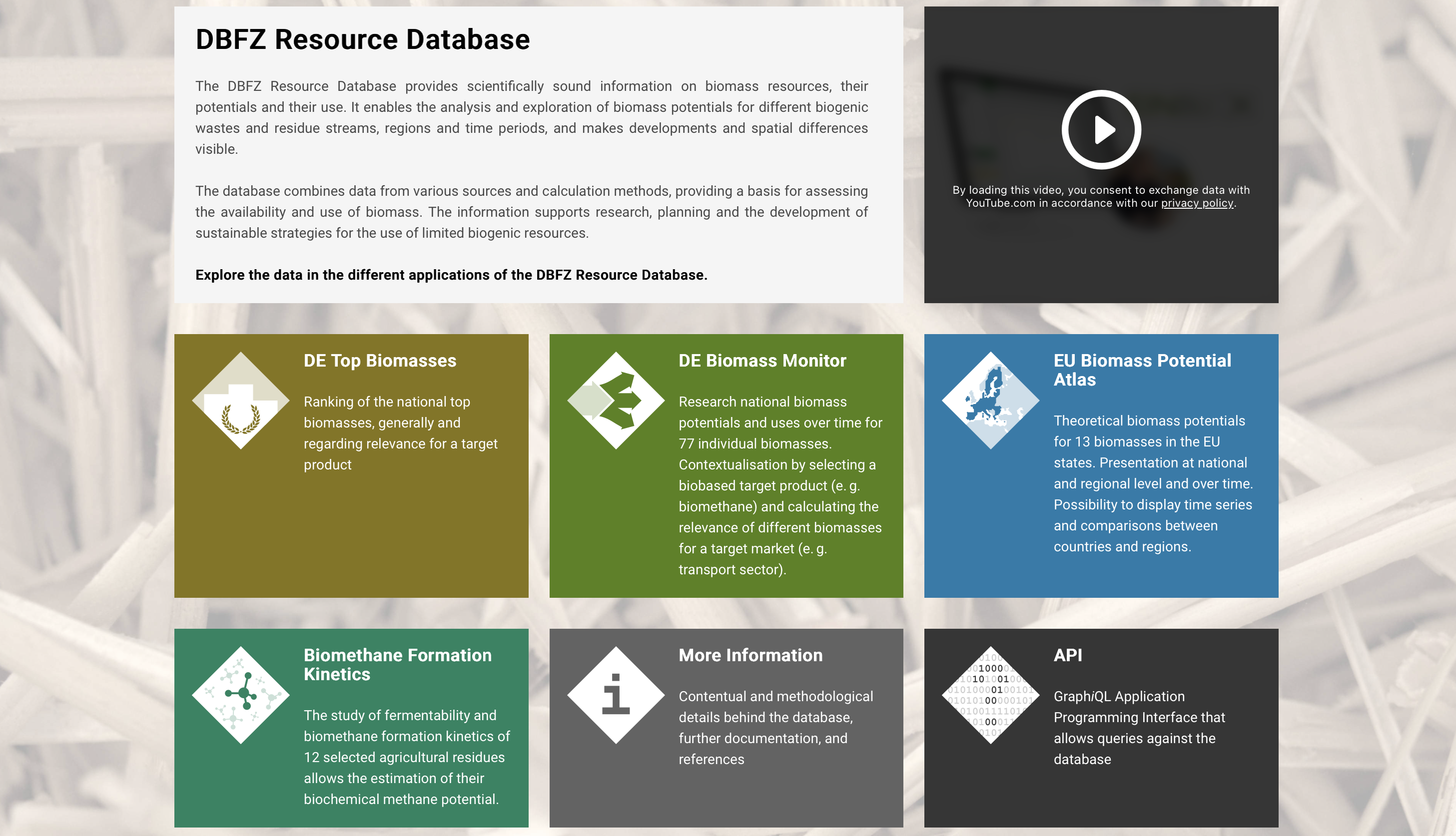
DBFZ Resources Database
Quintel: Energy Transition Model