PHB input for European post-2030 governance framework
Background
In consultation with Platform members, the Netherlands Platform Renewable Fuels has submitted its input in repsonse to the public consultation and call for evidence set by the European Commission on Governance Regulation on the Energy Union and Climate Action. This is the legislative background of the Energy Union and the strategic framework in place to achieve the EU climate and energy policy goals toreach climate neutrality.
Introduction to the response from the Platform
In the last four years, the fossil fuel imports to the European market have proven to be volatile in price and vulnerable for disruptions and therefore impact negatively on Europe’s energy security.
At the same time, with the use of locally available renewable electricity and (waste-based) biogenic resources, Europe can bring under control the access to renewable fuels for the various transport modalities - known for the high dependency of fossil oil imports. Such ‘intra-European’ deployment will also support creating new economic perspectives around new industrial production clusters for renewable fuels as well as for the building blocks required for the upcoming green chemical manufacturing industries.
The Platform Renewable Fuels would like to point out that the renewable energy mandates in the transport sector are important instruments that can help to build out green industrial production clusters. This however requires a rethinking of these instruments.
Recommendations from the Platform
- We propose to much stronger connect the transport mandates and the context shaped by the ETS (both 1 and 2) with a European based production base of green fuels and molecules production and the European agricultural/forestry sectors. This also contributes to access to fuels for the military.
- To establish a much stronger and strategic connection between industrial production for the fuels and the chemical manufacturing sectors. This is also required from a strategic autonomy point of view. The fuel and chemical manufacturing can share (to a large extent) the same feedstock and technology base. Integrated production offers possibilities for mutual synergetic efficiency gains, and reduces costs, by valorisation of the many (by)products.
- Set higher transport mandates across all transport modalities, both in the RED for the national sectors and in the two regulations for the international aviation and maritime sectors, with year by year increasing mandates and expansion of scope (in particular, include all vessels in the scope of the FuelEU Maritime and extend the ReFuel Aviation to all airports and aircrafts).
- Introduce differentiation in tax tariffs between fossil and renewable fuels
- Createa strong connection with carbon removal instruments for optimising benefits.
- Rethink the current sustainability certification and transition to physical tracing in combination with implementing the UNTP-transparency protocol and the European digital trust tools.
- Support biomass residue mobilisation.
Read the inputs from the Platform
Find the response from Platform Renewable Fuels by downloading the document on the right hand side.

Recente artikelen
CE Delft: Eerst de koers, dan de groei - Opties om de nationale klimaatdoelen voor de luchtvaart wettelijk vast te leggen | 2026

PHB: Analysis of the Dutch Fuel Transition Obligation - Market impacts and role of electricity in the ERE-system | 2026

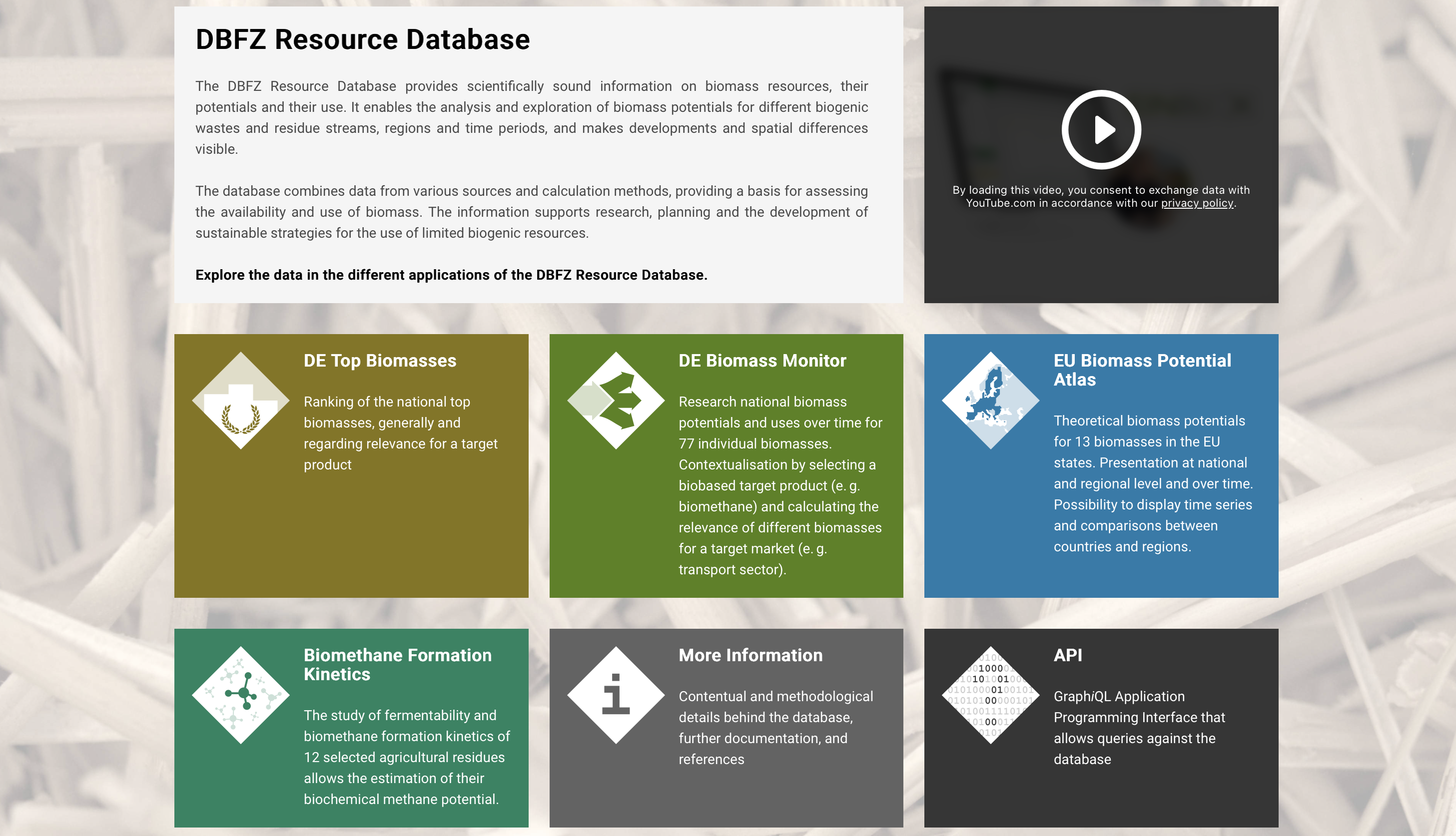
DBFZ Resources Database