
Filter opties

Biomass and feedstock availability
DBFZ Resources Database
The DBFZ database provides scientifically sound information on biomass resources, their potentials and their use. It enables the analysis and exploration of biomass potentials for different biogenic wastes and residue streams, regions and time periods.
Research project: Ab-Initio Biowaste Loop (ABEL) | 2026-2030
ABEL is a research project which aims to assess how to convert low-grade waste into valuable, sustainable materials, from lab to application. It combines technology development with governance and stakeholder work across the waste value chain to co-develop transition pathways.

IEA Bionergy: Review of feedstock supply for bioenergy in IEA Bioenergy | 2025
This report aims to to define and inform a framework for tracking biomass feedstocks and potential availability for bioenergy, biofuel, and bioproduct use; and to provide an update on the availability of different biomass feedstocks types that are used for bioenergy.
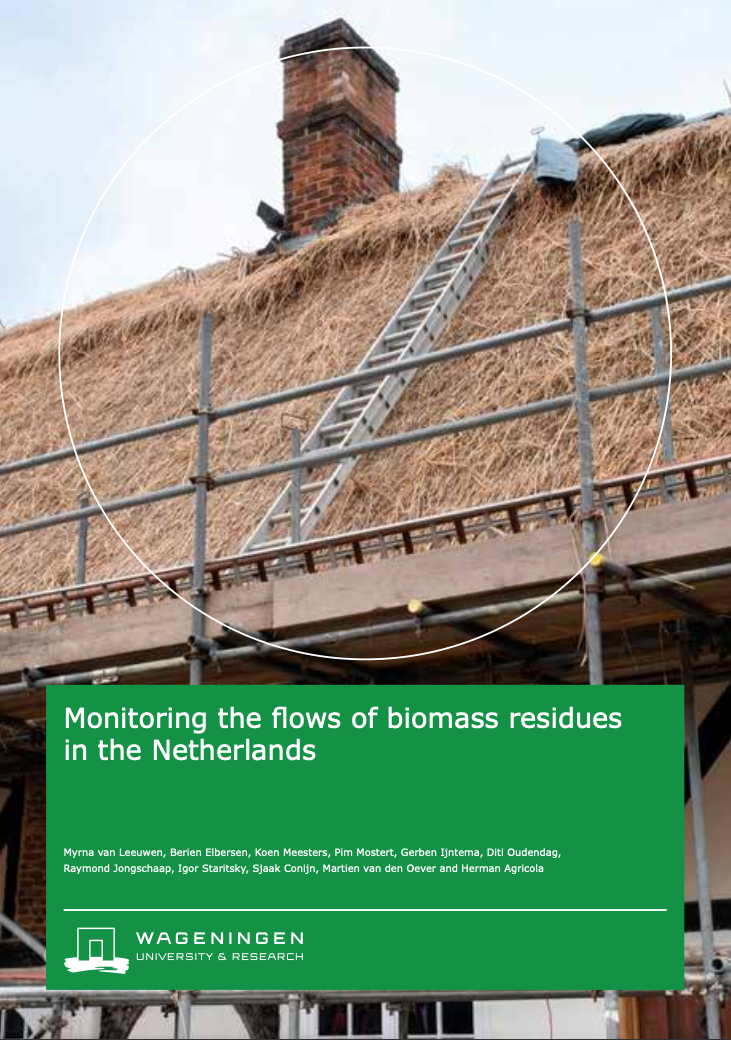
WUR: Monitoring the flows of biomass residues in the Netherlands | 2024
The aim of this study is to identify, quantify and store supply and use data for a wide range of biomass resources and associated residues, and to develop an approach to embed such additional information in the existing Material Flow Monitor (MFM) of CBS.
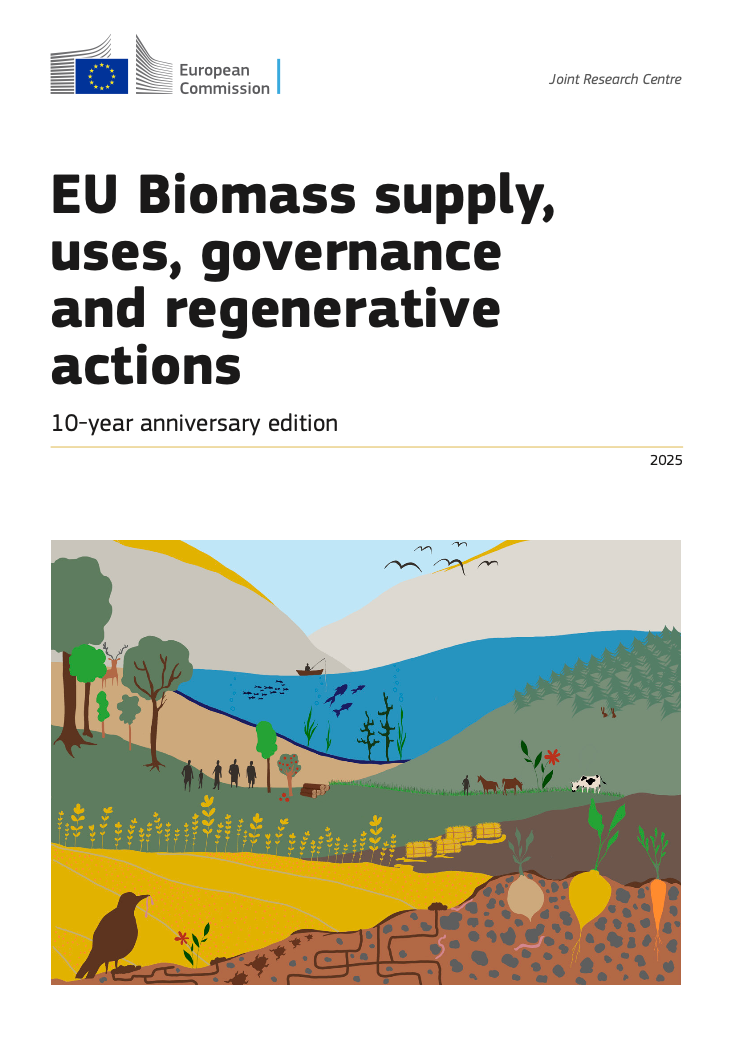
JRC: EU Biomass supply, uses, governance and regenerative actions | 2025
This report from the European Commission's Joint Research Centre (JRC) is entirely dedicated to the topic of biomass in its many shapes and forms and discusses competeting requirements for biomass and why this makes it so important to address biomass governance.
studio Gear Up and Biomass Research: 'Green carbon' feedstocks for the biobased economy - Quick scan opportunities for Solidaridad | 2019
For Solidaridad, studio Gear Up and Biomass Reserach conducted a research to help them understand where are possibilities for increasing sustainable local biomass production and prospects for socio-economic development.
Concawe: Availability Potential of Intermediate Crops in the EU to 2050 | 2026
Concawe commissioned this study to explore and quantify the availability potential of intermediate crops and crops grown on severely degraded lands towards 2050.
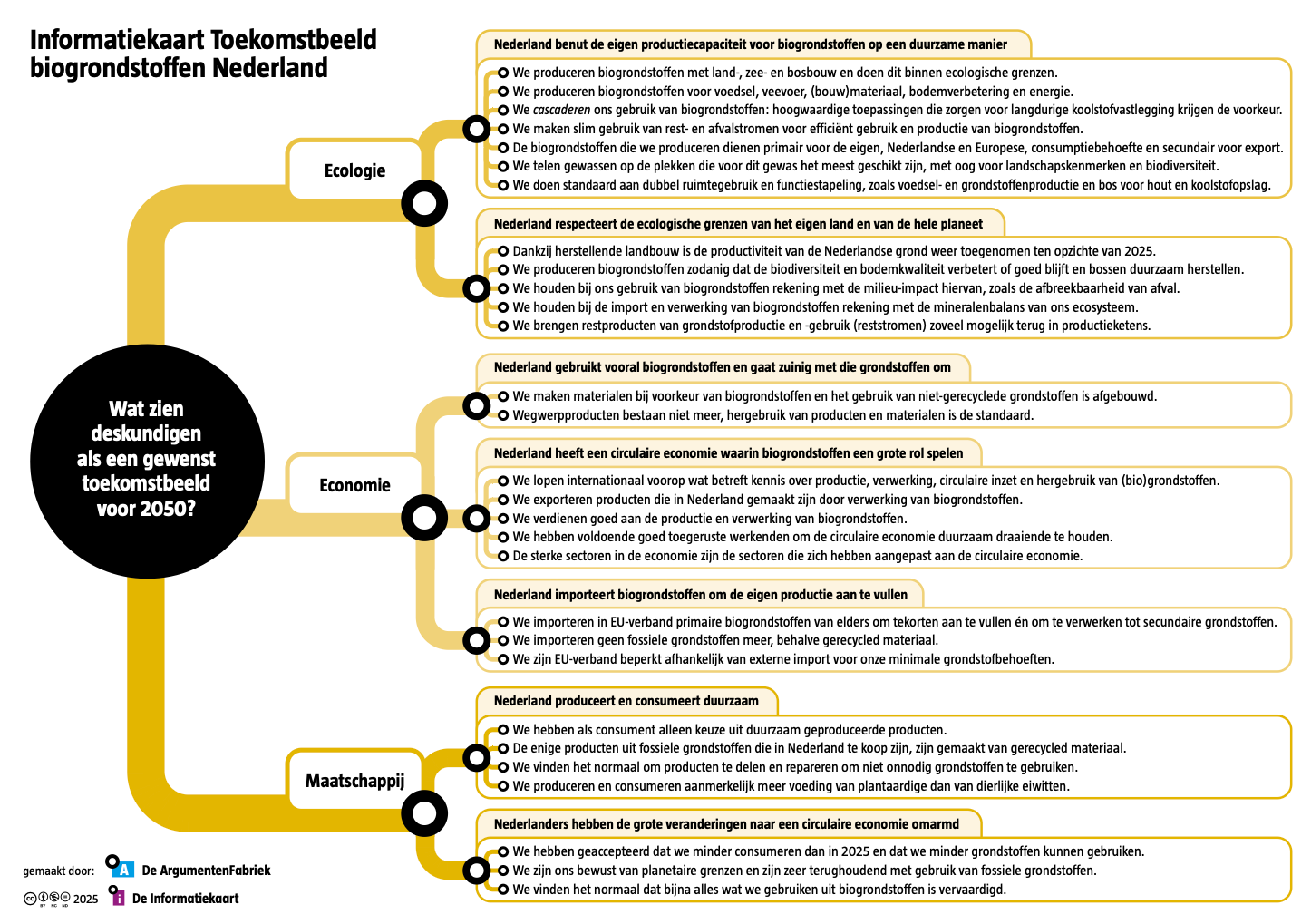
Informatiekaart: Toekomstbeeld biogrondstoffen Nederland | 2025
An information map on the future of bio-based raw materials has been published as result of a stakeholder session working towards a forthcoming strategy for bio-based feedstocks in the Netherlands.
ETIP Bioenergy: Position paper on sustainable biomass supply | 2025
The position paper by The European Technology and Innovation Platform (ETIP) Bionergy on sustainable biomass supply brings forward the opportunities, challenges and recommendations towards 2030 to accelerate biomass in the energy system.

Guidehouse: Onderzoek lange termijn productie en inzet groen gas | 2025
Guidehouse delivered a report on the long term production and use of green gas to support the Ministry of Climate and Green Growth (KGG) in setting up a vision for the future on long-term production and use of green gas

Report from Roundtable: Financing further development of advanced biofuel production in The Netherlands
Dutch Platform Renewable Fuels held a roundtable meeting with two international experts, Mr. Jim Spaeth and Mr. Kyriakos Maniatis to discuss how the Netherlands can further accelerate the scale-up of advanced biofuel production.
Steiner et al: A Feedstock Readiness Level Tool to Complement the Aviation Industry Fuel Readiness Level Tool | 2012
The Feedstock Readiness Level tool as developed by the United States Department of Agriculture (USDA) consists in assigning a candidate feedstock to readiness level from 1 through 10 as an indication of the level of maturity towards commercialisation.

WUR: Identifying and implementing circular applications of agri-residues | 2022
This report describes and explains a Circular Evaluation Framework that supports the decision making process in the implementation of processes for the valorisation of agri-residues or by-products.

U.S. Department of Agriculture: Building a resilient biomass supply - A Plan to Enable the Bioeconomy in America | 2024
The U.S. department of Agriculture developed a plan to optimize and ensure a resilient biomass supply system. The report identifies policies and programs across supply chains supporting the expansion of the bioeconomy.

Global Biofuels Alliance: The role of non-grain-based biofuels in India’s energy transition | 2025
This whitepaper from the Global Biofuels Alliance (GBA) outlines the significant opportunity for India to accelerate its energy transition through non-grain-based (NGB) biofuels.

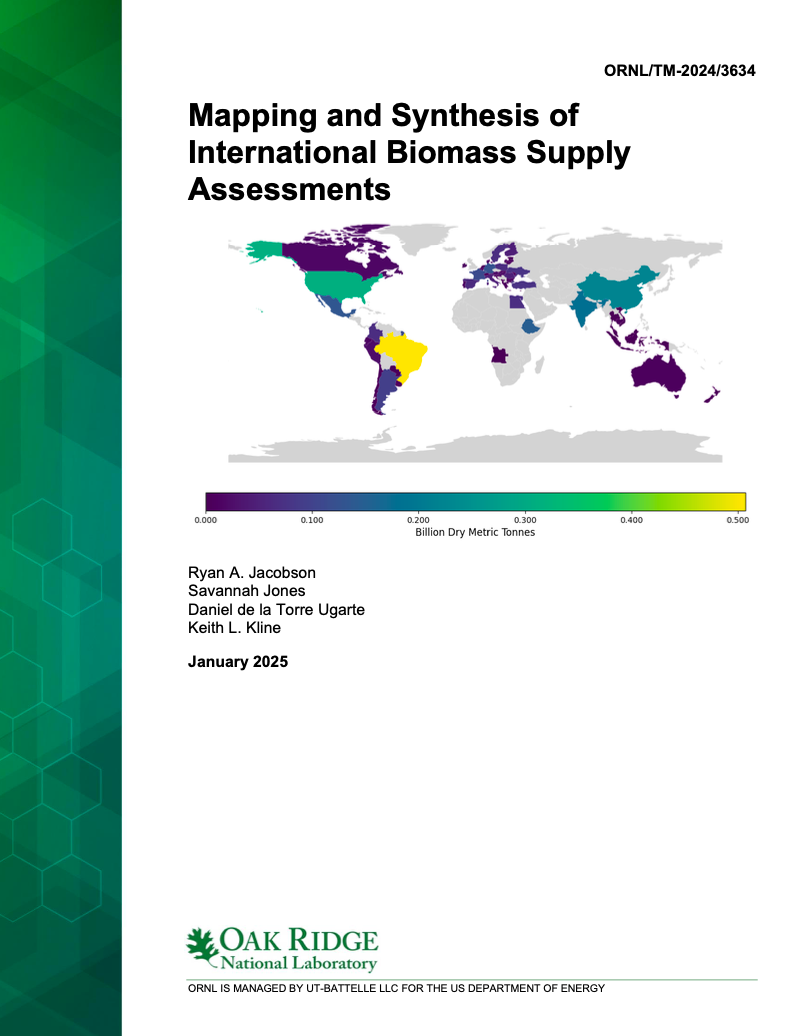
Oak Ridge National Laboratory: Mapping and Synthesis of International Biomass Supply Assessment | 2025
The report estimates that over 2,800 million dry metric tonnes of sustainable biomass supplies is currently produced from the 62 nations accounted in the assessment. Current biomass production in Brazil, the USA, China, Indonesia and India is estimated to be the highest.
Retrospective seminar new Biofeedstock Narrative 23 January in Pulchri Studio in The Hague
The multiple benefits of the production and use of biofeedstocks have a central role in the new biofeedstock narrative that has been presented by the sector on 23 January 2025 at Pulchri Studio in The Hague.

Retrospective on Public Seminar: The new feedstock producers for a fossil free chemical industry | December 10, 2024
On Tuesday December 10, the Platform hosted its annual public seminar on the topic of the new feedstock providers for a fossil free chemical industry in Amsterdam.
Energia: New study on a potential transformation path of Belgian refineries towards 2050 | 2024
Energia recently commissioned a study investigating how the refineries will look like in Belgium in 2050.

IEA Bioenergy: Evaluation of Brazil's RenovaBio Program' approach to reduce land-use change emissions from biofuels
A recent IEA Bioenergy report evaluates Brazil's RenovaBio Program, including its conversion-free criteria for biofuel production, on the effectiveness to reduce emissions from indirect land use change (ILUC) — a critical factor in biofuel's climate impact.

