New Strategic Framework for a competitive and sustainable EU Bioeconomy
Background
The European Commission adopted a new Bioeconomy strategy for a competitive and sustainable Europe in November. This strategy is charting a way forward to build a sustainable, competitive and nature positive European bioeconomy. This new strategy builds on the 2012 Bioeconomy Strategy and the reviews carried out in 2018 and 2022, shifting away from research and innovation to focus on industrial deployment, market scale-up, derisking, competitiveness and resilience. This strategic framework constitutes a Commission Communication, as such it is not a law by itself but sets out a direction and announces a work programme.
What are the impacts?
With this strategy, the European Commission provides four key focus areas for the development of a sustainable and resilient bioeconomy:
- Scaling innovation and investments by removing barriers and stimulating innovation and investments in bioeconomy. The Commisions aims to overcome the valley of death by simplifying regulation and speeding up product approval.
- Creating new lead markets for bio-based materials (e.g. bio-based plastics, textiles, chemicals, fertilisers, construction materials) and technologies (e.g. biorefineries, advanced fermentation, permanent storage of biogenic carbon). According to the Commisoin, establishign lead makerts helps scale the bioeconomy by focusing on bio-based solutions that offer the highest added value.
- Ensuring sustainable biomass supply across value chains. The strategy emphasizes the need to a focus on secondary feedstocks and circularity. In addition, the strategy believes that primary production is key and aims to set up initiatives to rewards farmers and foresters who protect soil, enhance carbon sinks and support sustainable biomass use.
- Harnessing global partnerships opportunities by supporting European industry in accessing global markets and securing partnerships in order to ensure resilient value chains.
The role of biofuels
The strategy recognises the need for biofuels and the role they play in reducing greenhouse gas emissions in the hard-to-abate sectors particularity for the aviation, maritime and long-haul heavy duty transport. As Platform Renewable Fuels, we would like to emphasize the role that biofuels can play in helping securing the bio-based feedstocks that will be needed for the deployment and scale up of other lead markets such as bio-based plastics and chemicals.
Strategic framework for EU Bioeconomy
You can find the new EU Bioeconomy strategy by clicking on the right hand side.
Recente artikelen
PHB: Dutch SAF portfolio and opportunities for international (e-bio) SAF partnerships | 2026
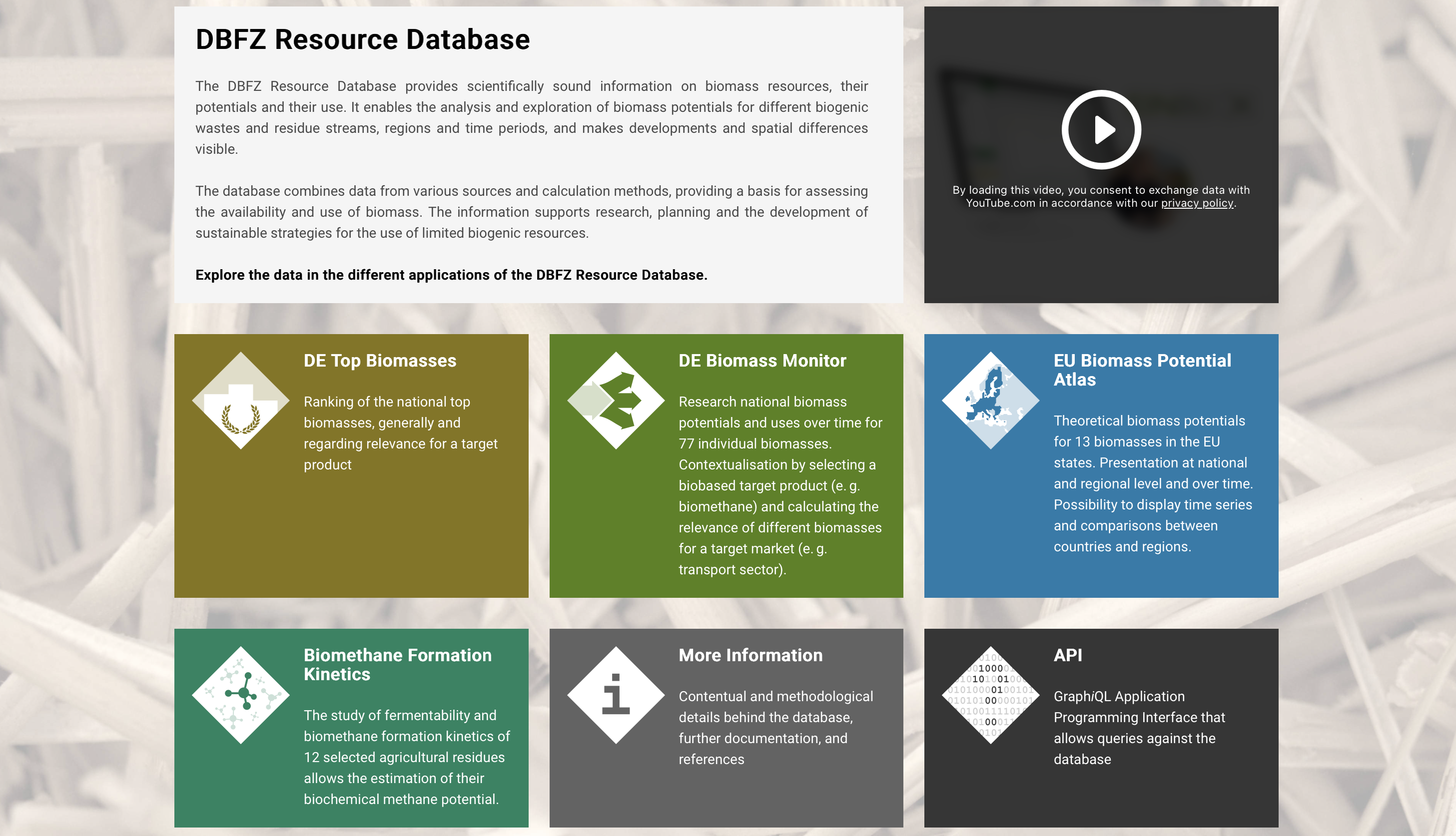
DBFZ Resources Database
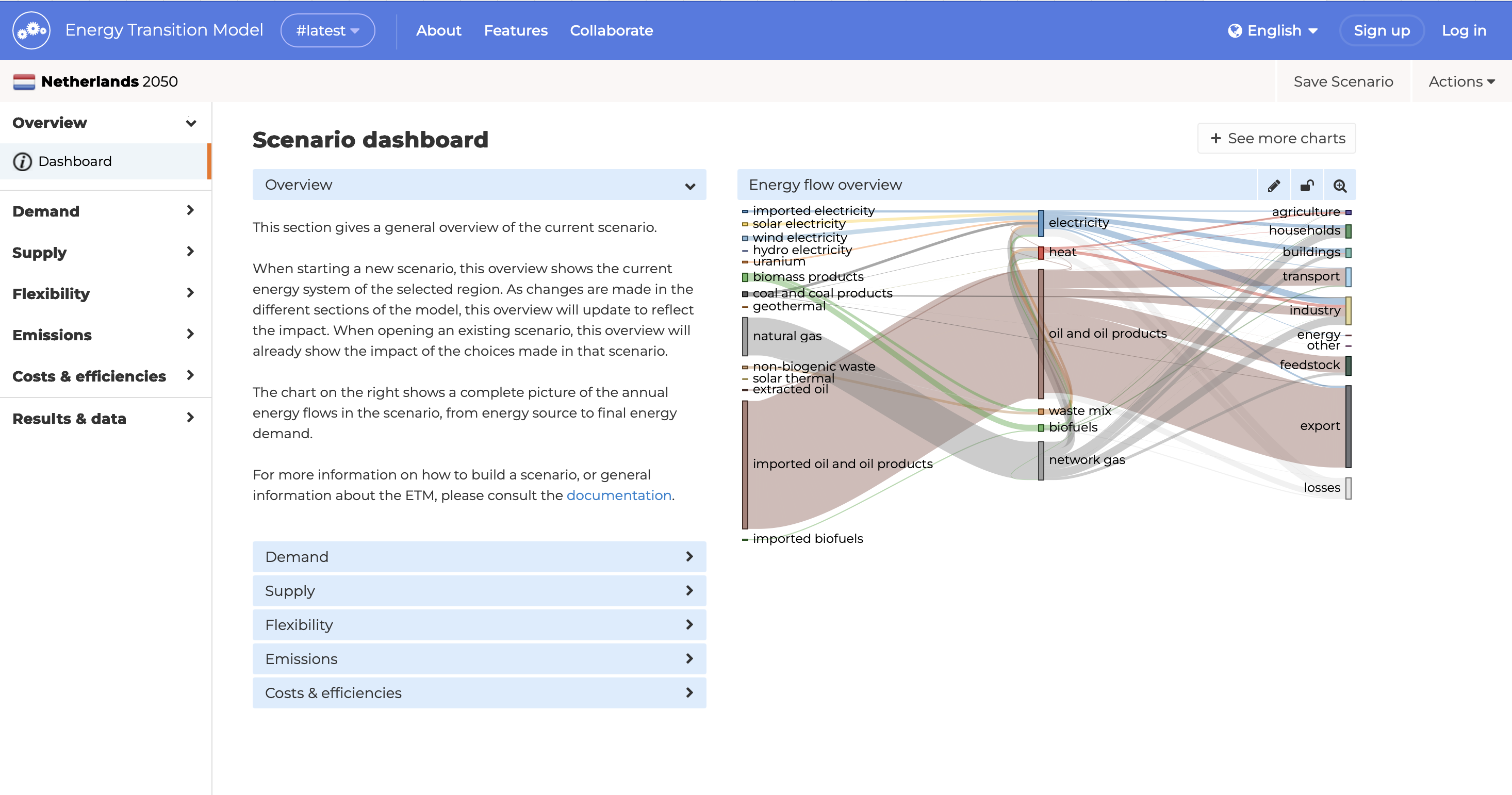
Quintel: Energy Transition Model