Filter opties

Renewable fuels
Concawe: Availability Potential of Intermediate Crops in the EU to 2050 | 2026
Concawe commissioned this study to explore and quantify the availability potential of intermediate crops and crops grown on severely degraded lands towards 2050.
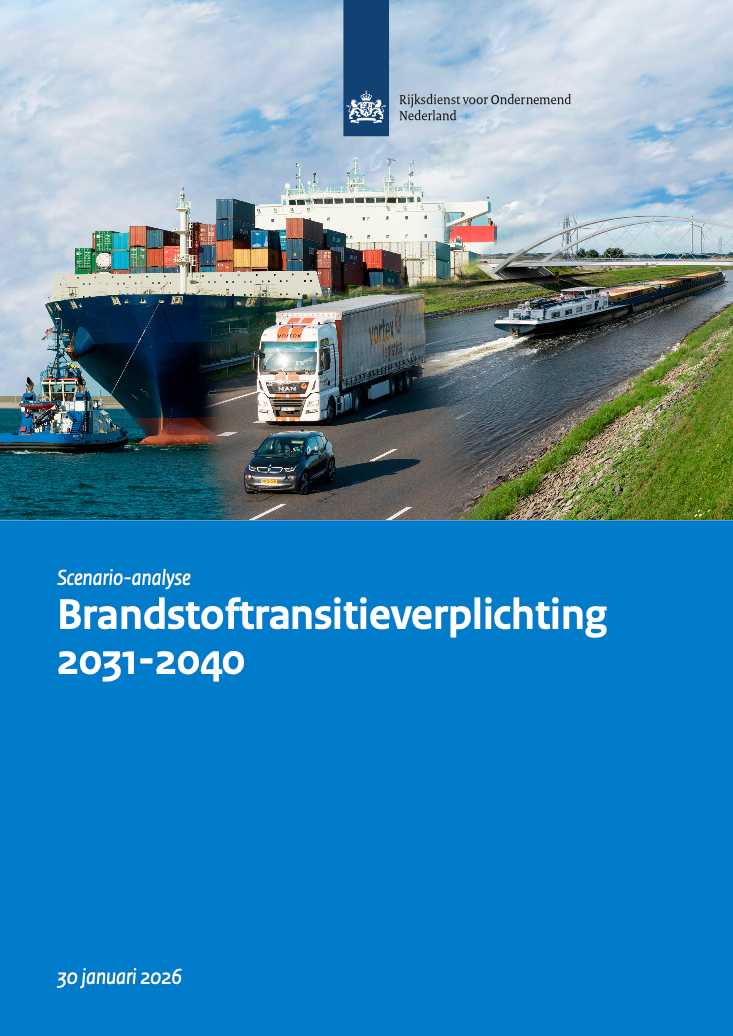
RVO: Scenario-analyse Brandstoftransitieverplichting 2031-2040 | 2026
Het rapport bevat een verkenning naar scenario’s voor het verlengen van de Brandstoftransitieverplichting (BTV) voor de periode 2031-2040
TNO: Strategic Collaboration Opportunities between the Netherlands-Brazil | 2026
TNO published a briefing paper on the strategic collaboration opportunities between Brazil and the Netherlands in the field of the energy transition and industrial transformation.

PHB input for the call for evidence Renewable Energy legal framework after 2030
PHB provided input focusing on the need to withdraw electricity for meeting transport targets and focus on replacing liquid and gaseous fuels with renewable fuels, distinguishing between mature technologies and creating submandates to support key new technologies.


PHB input for European post-2030 governance framework
The Netherlands Platform Renewable Fuels has submitted its input in repsonse to the public consultation and call for evidence set by the European Commission on Governance Regulation on the Energy Union and Climate Action.


PHB presentation at Fuels of the Future conference: Import and green production clusters around port locations | 2026
Platform Renewable Fuels was invited to attend the 23rd edition of the Fuels of the Future confenrence in Berlin. Executive director Loes Knotter delivered a presentation showing the import and green productions clusters around port locations.

Launch of the Belém Commitment for Sustainable Fuels | 2025
The Belém Commitment for Sustainable Fuels, known as Belém 4x is an initiative aiming to build high level of political support with the global goal to quadruple the production and use of sustainable fuels by 2035 from 2024 levels.

EC DG Research: Mobilization of Industrial Capacity Building for Advanced Biofuels | 2026
A new European Commission report provides insights on how advanced biofuel production can be scaled to meet EU climate targets. From now to 2030, a large increase in biofuel production capacity based on Annex IX feedstocks is required to fulfill the RED targets.


Backovsky et al: Tracking cellulosic ethanol: commercialization and regional insights | 2025
Drawing on 15 years of monitoring the cellulosic ethanol industry, this study examines the underlying causes and evaluate the status of demonstration plants recorded in the IEA database.

Rijksoverheid: Wegwijzer brandstoftransitieverplichting | 2026
Sinds 1 januari 2026 geldt de brandstofverplichtingsregeling, wat betekent dat brandstofleveranciers fossiele brandstoffen in auto's, vrachtwagens en schepen steeds meer moeten vervangen door hernieuwbare energie.

PHB Webinar: How to improve the price position of renewable fuels?
Platform Renewable Fuels hosted a webinar where an analysis focusing on the role of excise duty and effect on the price of renewable fuel options was presented. The conclusion: differentiated excise duty tariffs will improve the market position of renewable fuel alternatives.


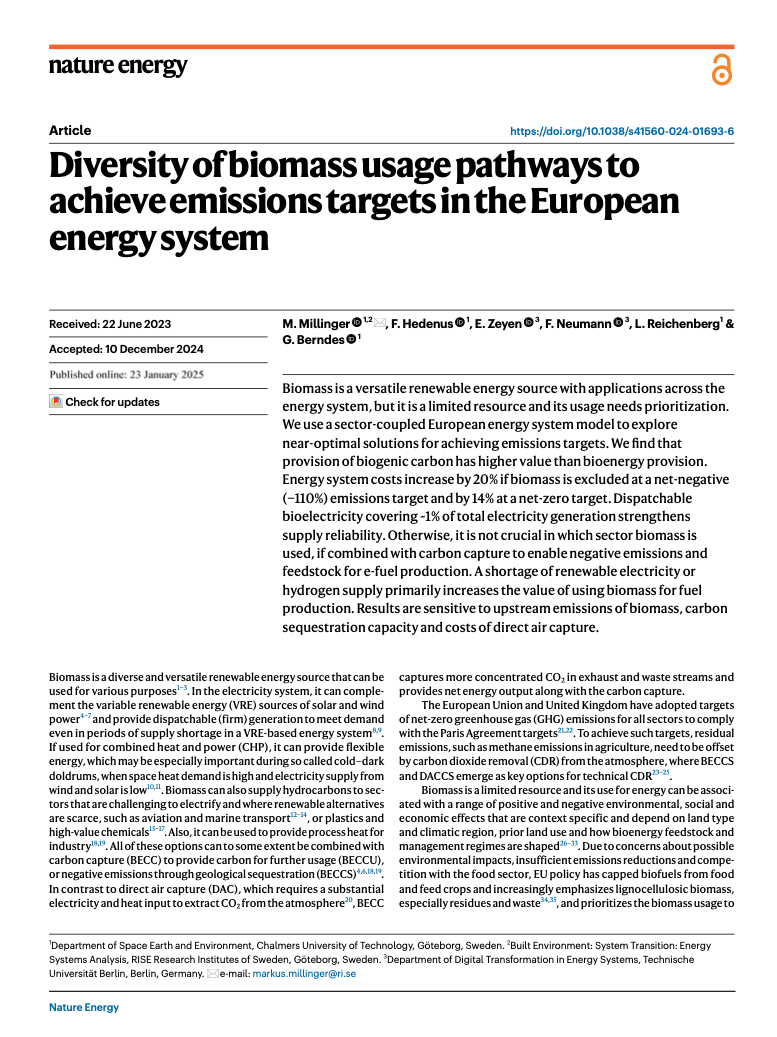
Millinger et al: Diversity of biomass usage pathways to achieve emissions targets in the European energy system | 2024
The paper investigates the energy system in Europe associated with the different sector and explores near-optimal solutions for achieving emissions targets. The main finding: provision of biogenic carbon has higher value than bioenergy provision.