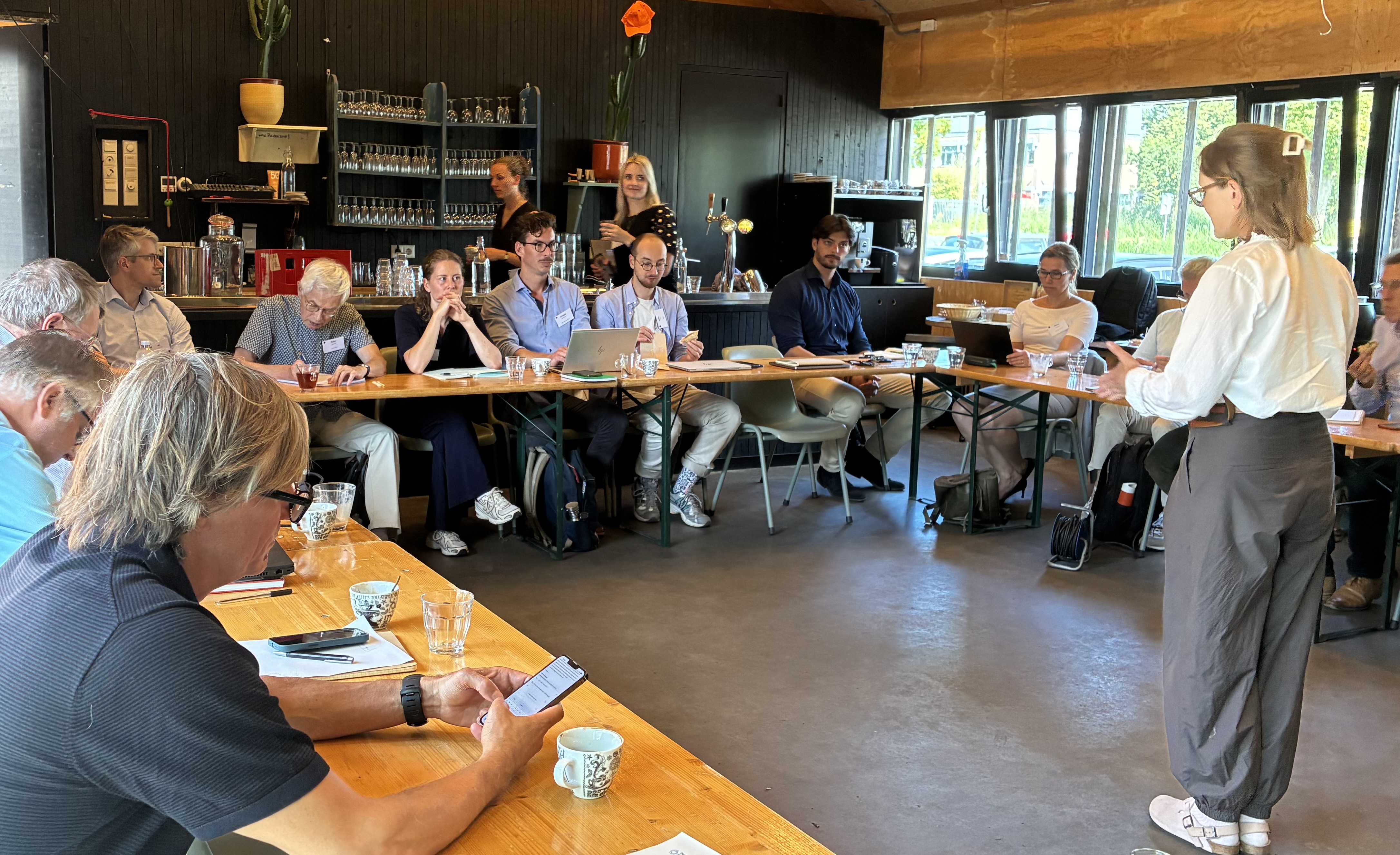
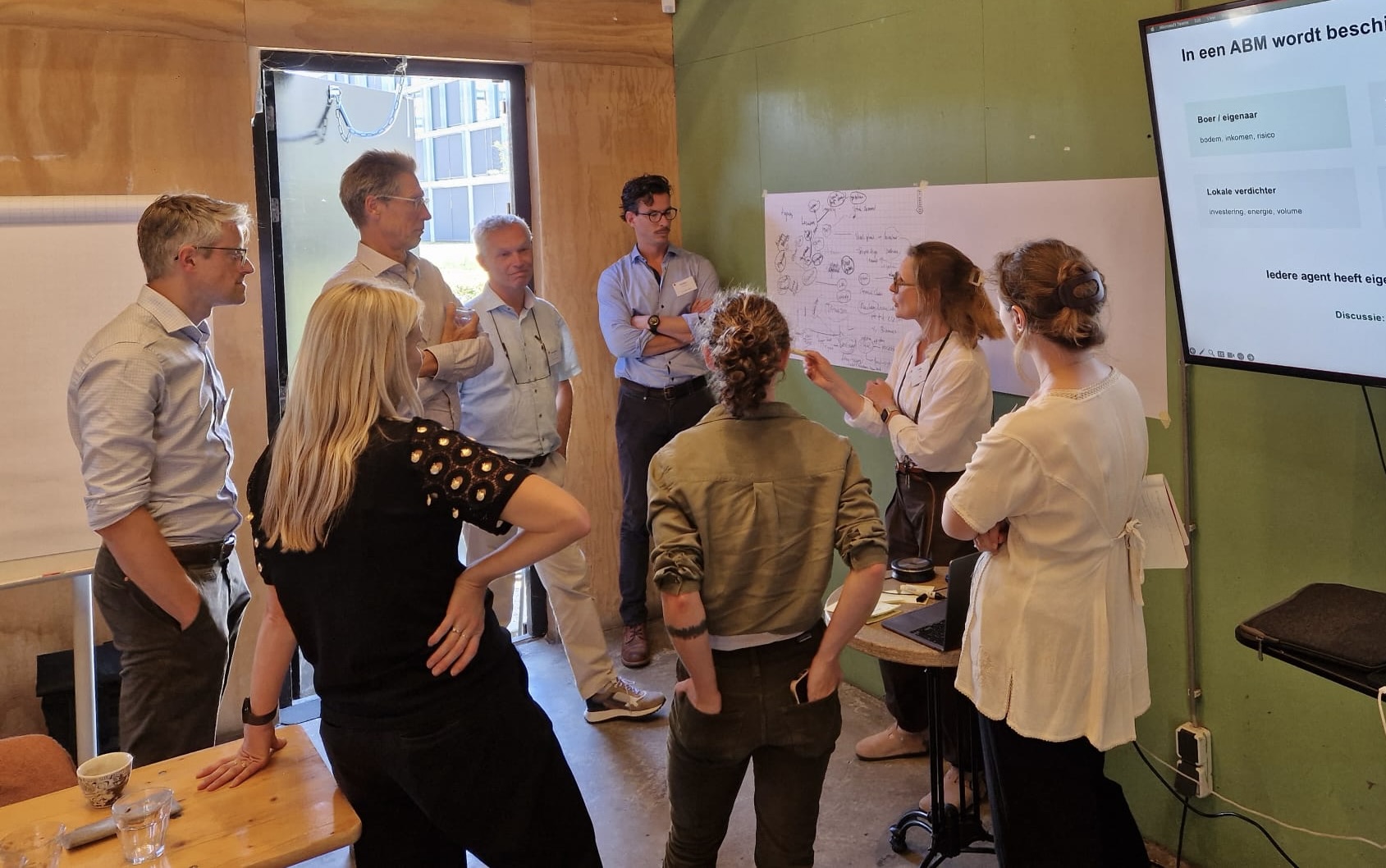
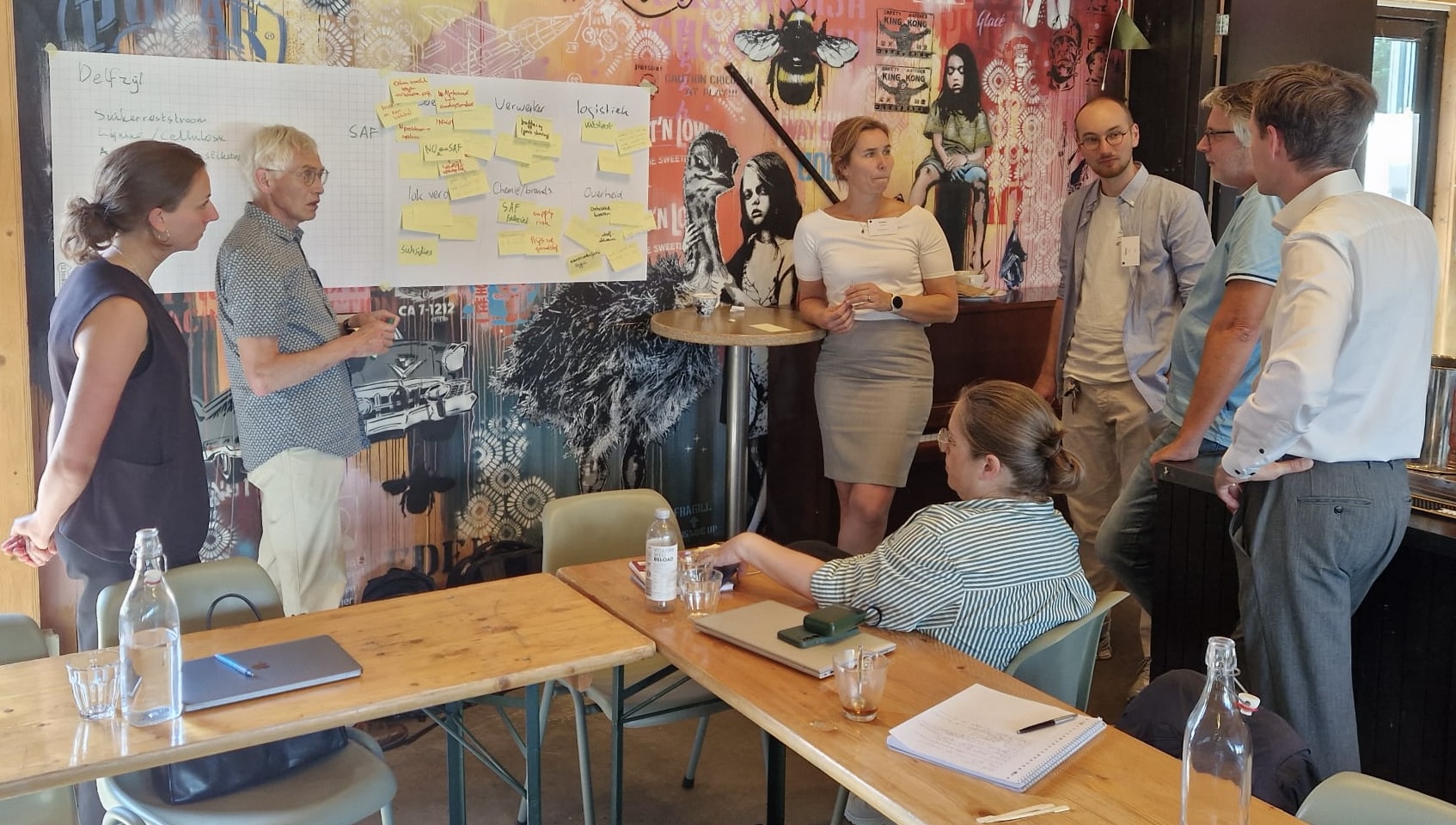
The Dutch Platform Renewable Fuels together with Energy Innovation NL (previously Topsector Energy) and the Green Elephant Alliance organised the 4th edition of the Biomass Mobilisation (BioMob) event where 25 experts ranging from industry players, researchers and policy makers, discussed biomass availability modelling and identified topics for future research. The event took place on Tuesday August 25th, 2026 in Amsterdam.
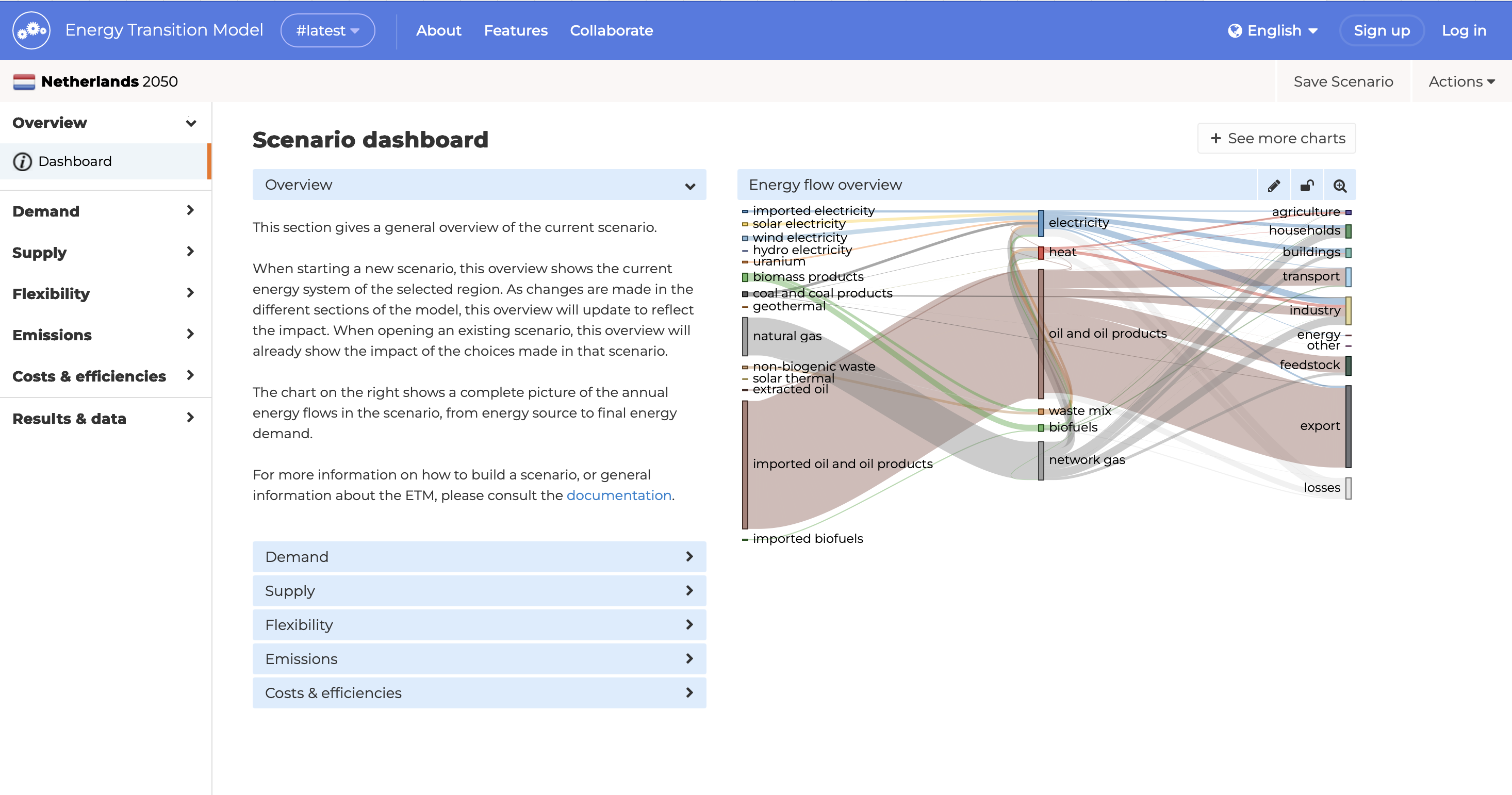
Since flexibility is extremely important in the new biobased and circular system, and also in the new renewable electricity system, we would like to understand how the current biomass availability modelling is taking into account the inherent dynamic nature of supply and demand, options for optimal use, how to look at actor's behaviours and context based constraints.
The aim of the design workshop was to identify how to organise data modelling that supports flexibility and circularity. This provides better policy information and a stronger data position for investments. We propose to take a decentral data approach.
In this interactive session we assessed the data sources and availability of biomass data: to what extent are these linked to GIS-data systems and how to build open source bottom-up data models. We explore the role of agent-based modelling and how it can contribute to derisking feedstock supply chains for project and increasing insights for policy information. In addition, we aim to identify the topics and research questions to better answer questions on biomass availability.
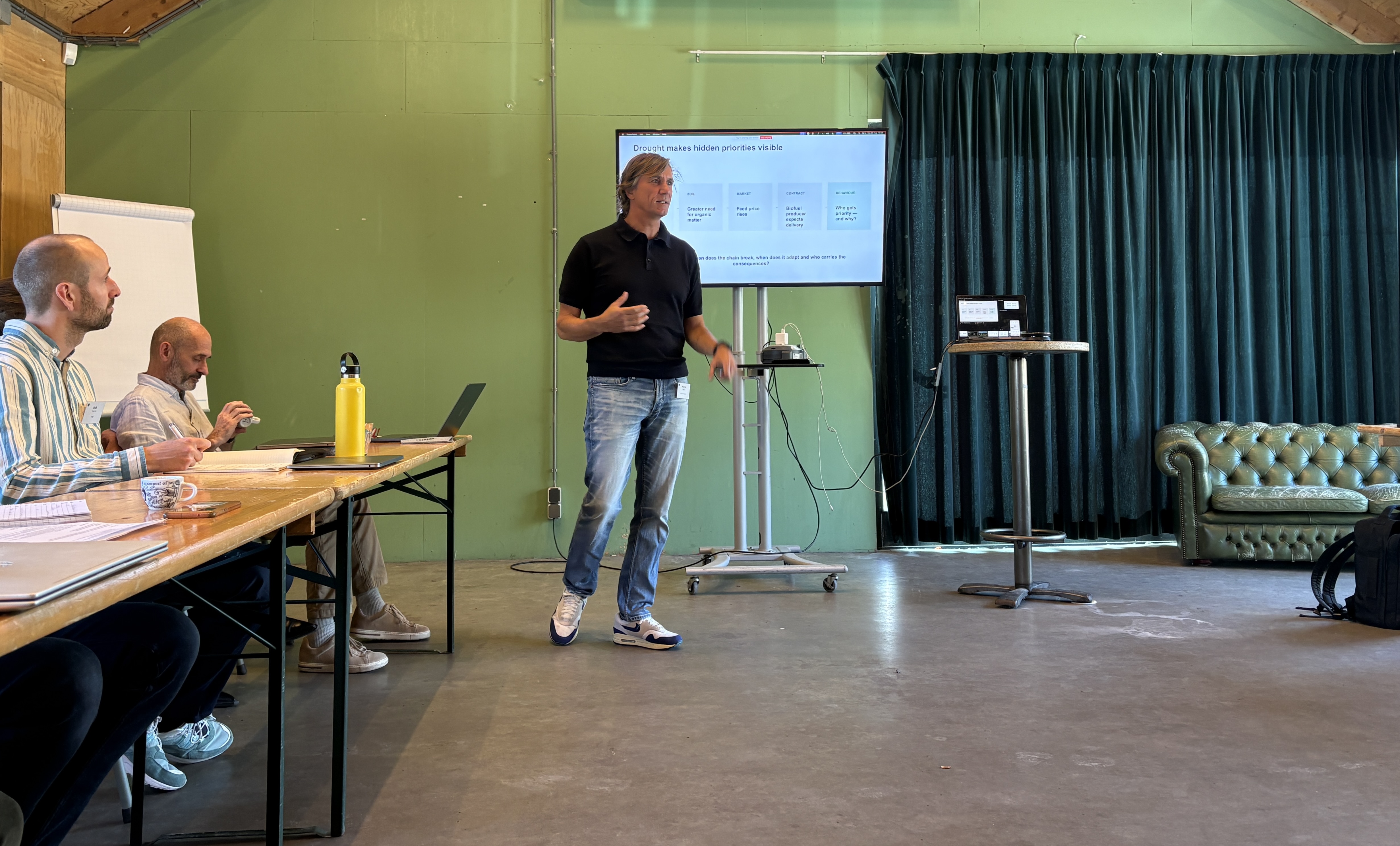
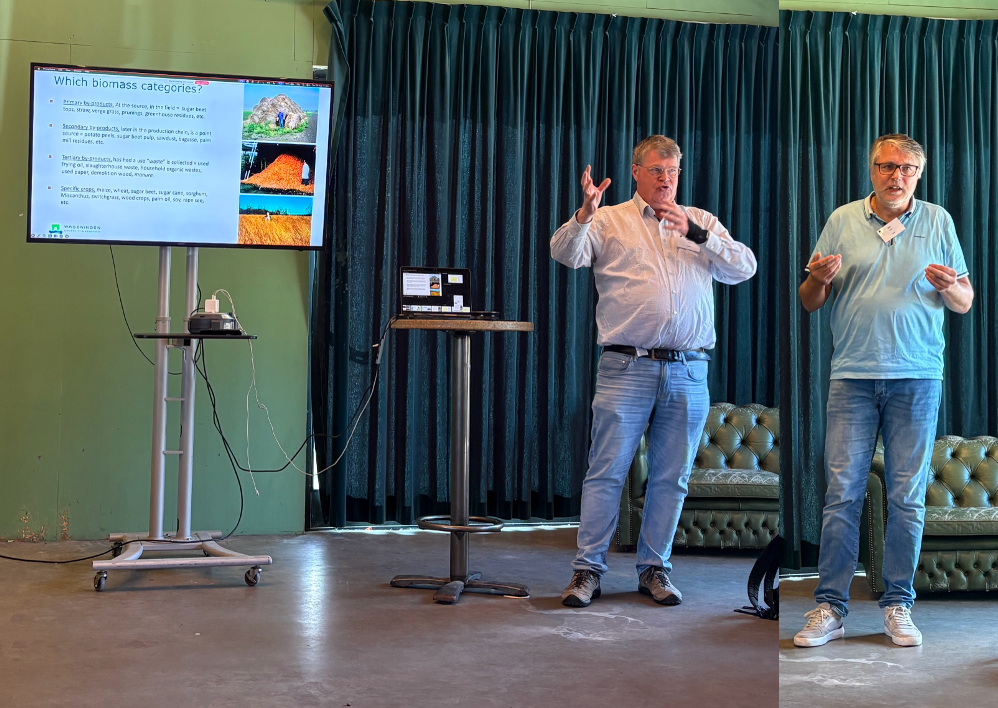
The transition to the bio-based economy is faced with a recurring question: is there enough biomass? This question can be challenging to answer whilst studies modelling biomass availability potentials can lead to wide ranges of results. As pointed out by Carlo Hamelinck, this wide range is an expression of how much activity is undertaken to optimise biomass supply. The low assumptions are what you get if you don’t act, the high assumptions show what is possible if you act. The low is accepting failures in the agro-food system, for instance with a lot of land in use for growing feed crops for meat. The scenarios pointing out high supply volumes are not accepting those failures and assume a “programmatic” approach to mobilise more biomass in a sustainable land use system.
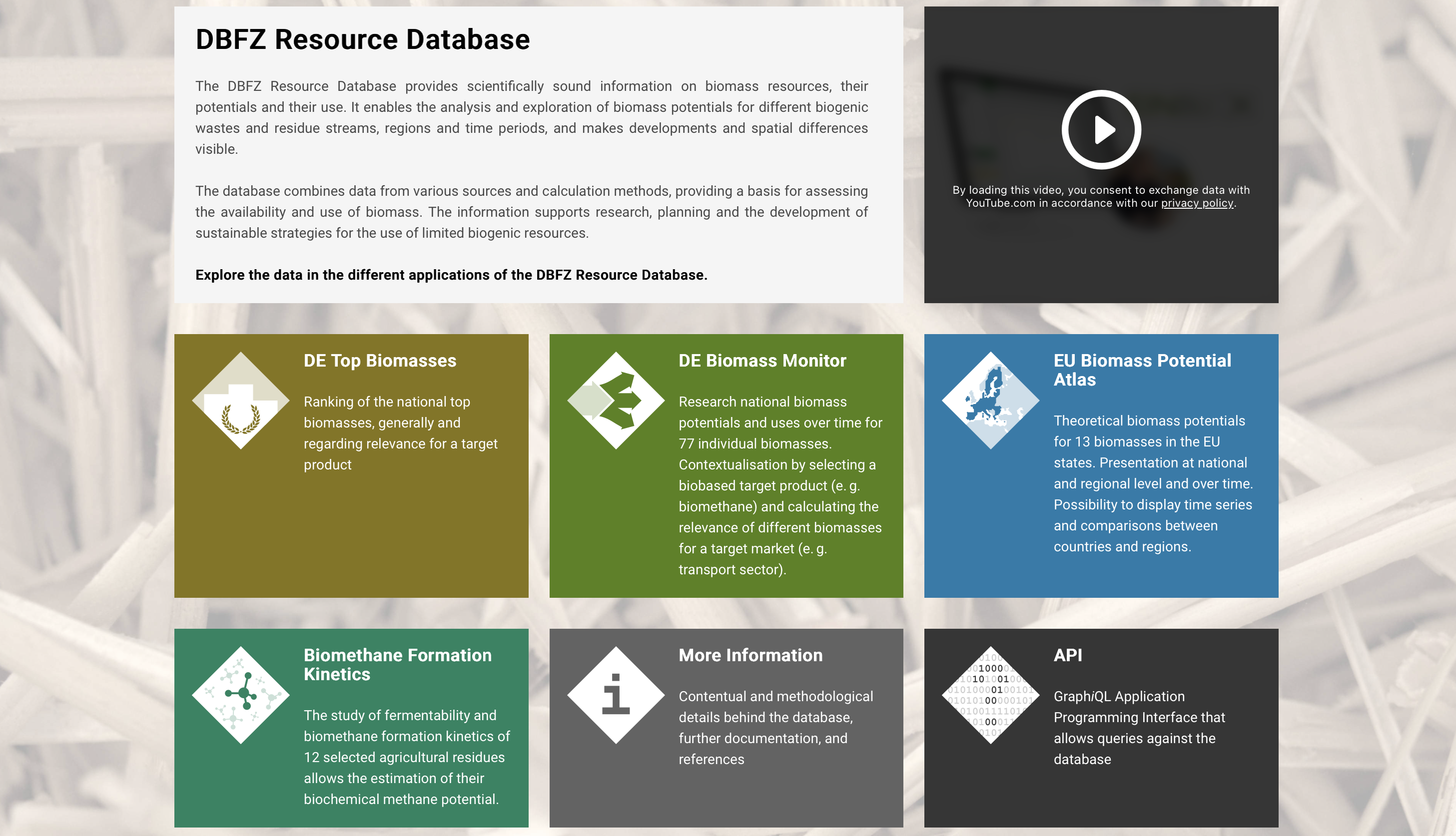
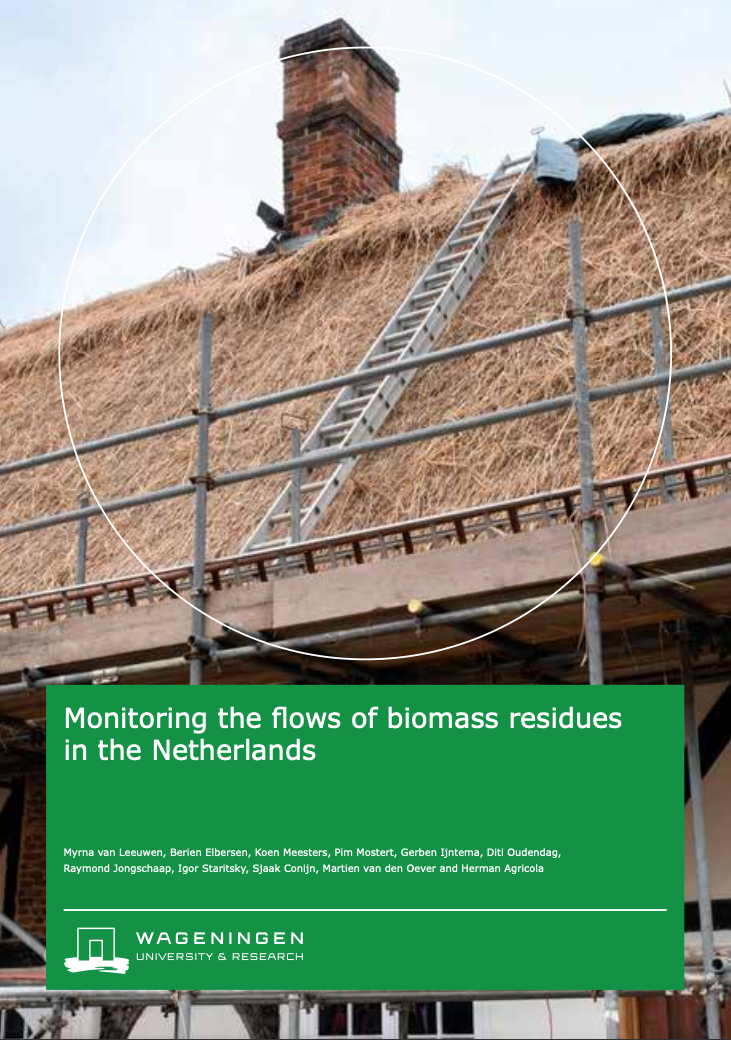
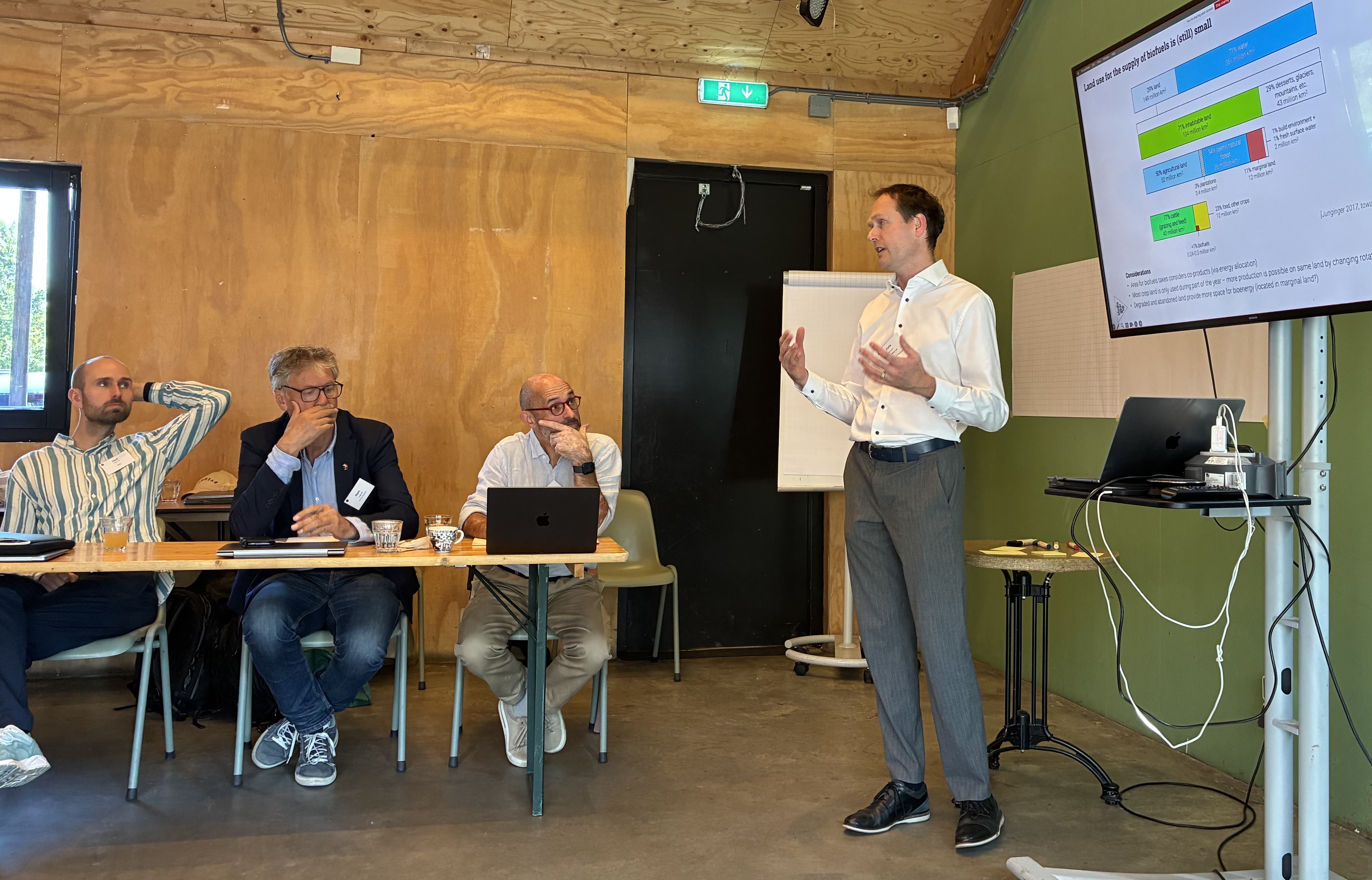
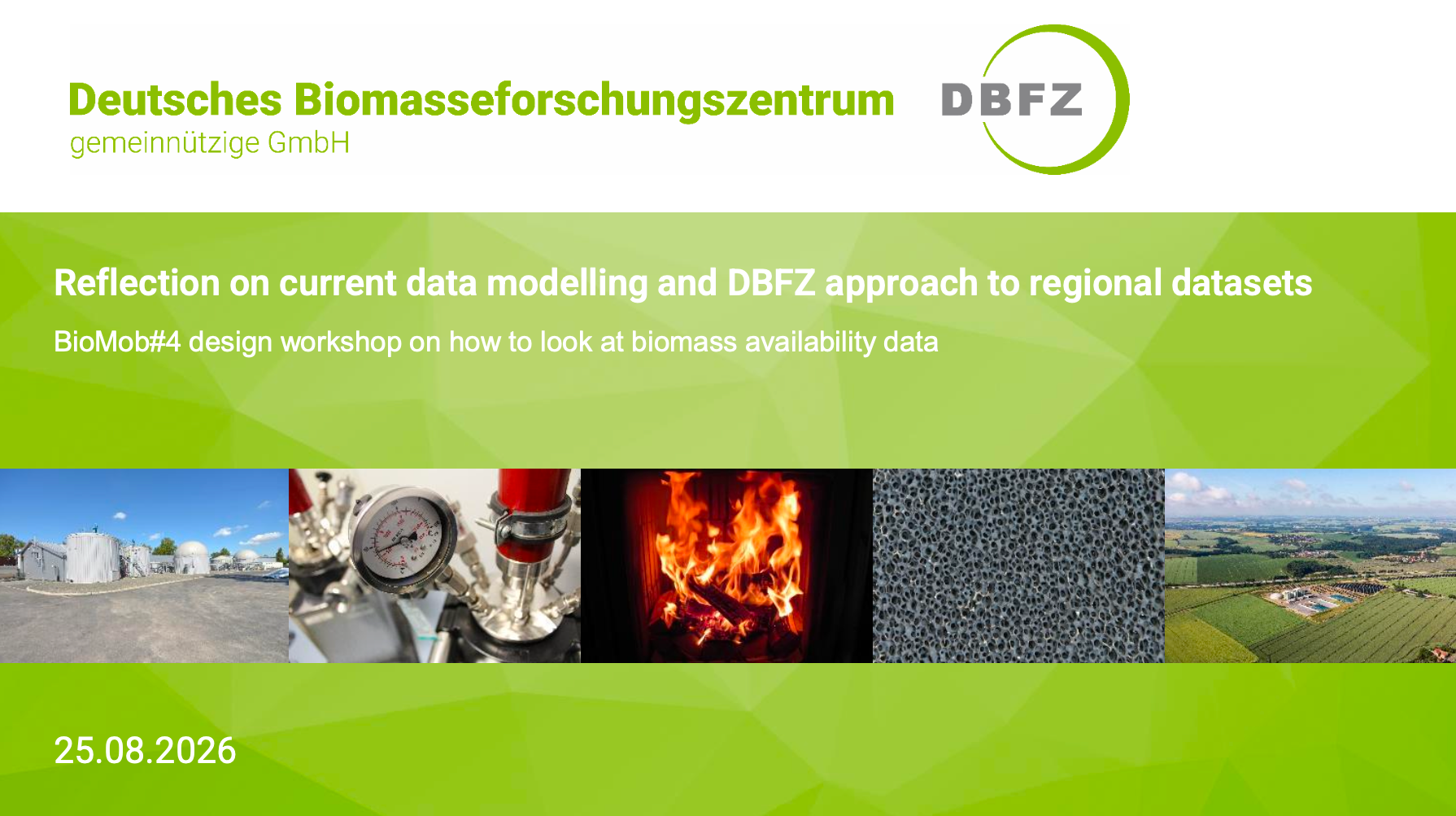
An example of a programmatic approach to mobilising biomass is analysing current stocks and flows and current uses. As shown by Wageningen University and Research, rethinking current uses and optimising use over time can free up more biomass potential. As pointed out by Cyffka, Deutsches Biomasseforschungszentrumgemeinnützige (DBFZ) and many others (e.g. Junginger e.a.) reducing the current worldwide land use for feed for meat (cattle) will at once mobilise a lot of biomass options. These potentials for optimising biomass supply can be shown on system level.
The dynamic use of supply and demand is more difficult to model. As Cyffka, DBFZ has pointed out actual biomass supply-demand markets are not perfectly described. We have less view on temporal biomass use and supply effects. Also insights on biomass data on regional level, such as supply costs and insights for regional supply-demand allocation can be improved. For the biomass supply side, assumptions can be made like how a typical crop generates this much residue. But data sources on the demand side, for instance what feedstock and volumes are used, are difficult to find (or private data for reasons of containing competitive information). This lack of information on the demand side is a barrier for optimising biomass supply systems, and hides potential demand signals for the supply side, for instance for landowners to invest in more biomass mobilisation.
In summary, a dynamic data position of supply and demand is lacking, data on the demand side are constrained and regional data positions can be improved.