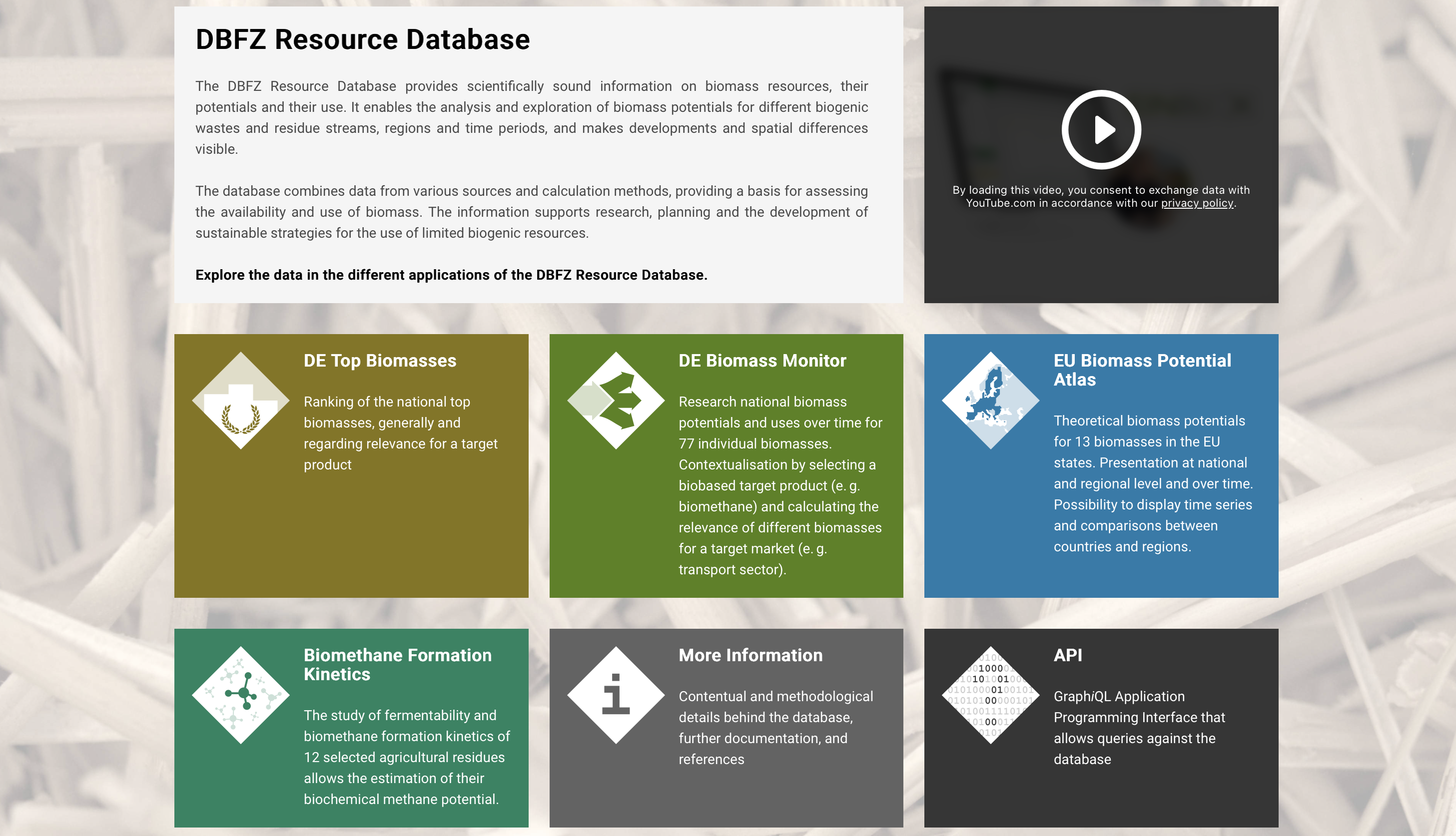
Research project: Ab-Initio Biowaste Loop (ABEL) | 2026-2030
How can low-grade waste be converted into valuable, sustainable materials, from lab to application?
As the Netherlands phases out fossil feedstocks, carbon becomes a critical raw material for everyday materials (e.g., plastics, asphalt, composites, batteries). While renewable carbon can come from biogenic waste, low-grade biowaste is often wet/contaminated and is therefore typically downcycled (e.g., low-value compost/animal feed) or incinerated, which also creates problematic bottom and fly ash residues and can spread persistent contaminants.
This leaves a major gap: how to valorise low-grade waste into high-value products beyond biofuels/biogas, at scale, while navigating policy uncertainty, regulatory bottlenecks, and public acceptance challenges?
Transition pathways and policy packages
ABEL addresses this challenge by combining technology development with governance and stakeholder work across the waste value chain. In practice, it will co-develop transition pathways and policy packages through stakeholder dialogues and analyse which laws/policies need to change (or which technologies must adapt) to remove bottlenecks and enable safe circular use.
This project is executed in partnership with Wageningen University, Leiden University, University of Groningen, Eindhoven University of Technology, and two Universities of Applied Sciences (Hanze Hogeschool, Avans Hogeschool), and with co-funders and practice partners like PreZero, Perpetual Next, NPSP, etc. (Click researchers and partners for more information).
Recente artikelen
CE Delft: Eerst de koers, dan de groei - Opties om de nationale klimaatdoelen voor de luchtvaart wettelijk vast te leggen | 2026
PHB: Analysis of the Dutch Fuel Transition Obligation - Market impacts and role of electricity in the ERE-system | 2026

DBFZ Resources Database