PHB stakeholder meeting: update on TCO analysis for seagoing shipping | 2026
Background
Platform Renewable Fuels conducted a total cost of ownership (TCO) analysis exploring the costs of different fuel and engine combination for seagoing shipping. The analysis takes into account the regulatory costs from EU ETS and FuelEU Maritime.
As a starting point, we used the findings of the research project from Radboud University where they concluded that the OPEX which include the fuel costs for ship play a significant role in the total costs of a ship.
The Platform is also taking part in meetings of the steering group for the renewable fuels for seagoing shipping (Brandstoffentransitie Zeevaart) where results from the TCO analysis help shape the discussion on the instruments needed to stimulate the developments in the sector. The results of the fuel and engine costs for ships over their lifetime, whether in existing or retrofitted ships, provide valuable insights on the innovations for new fuels and the fuel system that need to be built with it.

Takeaways
Vessel CAPEX and OPEX exluding the fuel
- The calculated OPEX (excl. fuel) is similar for all vessels
- CAPEX of the different vessels analysed do not vary much, except forthe vessel using a fuel cell
Fuel costs
- The costs for the fuel make up the largest share in the total costs
- Mærsk-McKinney-Møller model assumes a strong price reduction for the totalfuel costs over time – this may only be achieved under the condition that actual production facilities are developed to allow a learning curve
Regulatory costs
- The regulatory costs strongly influence the cost competitiveness of the fuels
- LNG is over compliant up to 2035 under current FuelEU regulations and can sell or bank the surplus emission savings credits
Considerations
- The TCO-analysis is conditional, as it is based on a set of assumptions on how the technology develops (learning curve)
Recommendations
- LNG should not be considered asa compliant fuel in FuelEU Maritime as this hinders the deployment of other fuels
- It is recommended to innovatein feedstock-fuel systems, connected to engine developments
Download
Find the slides that were shared during the meeting here or by clicking on the right hand side.
You can read the full summary and key discussion points here.
Recente artikelen
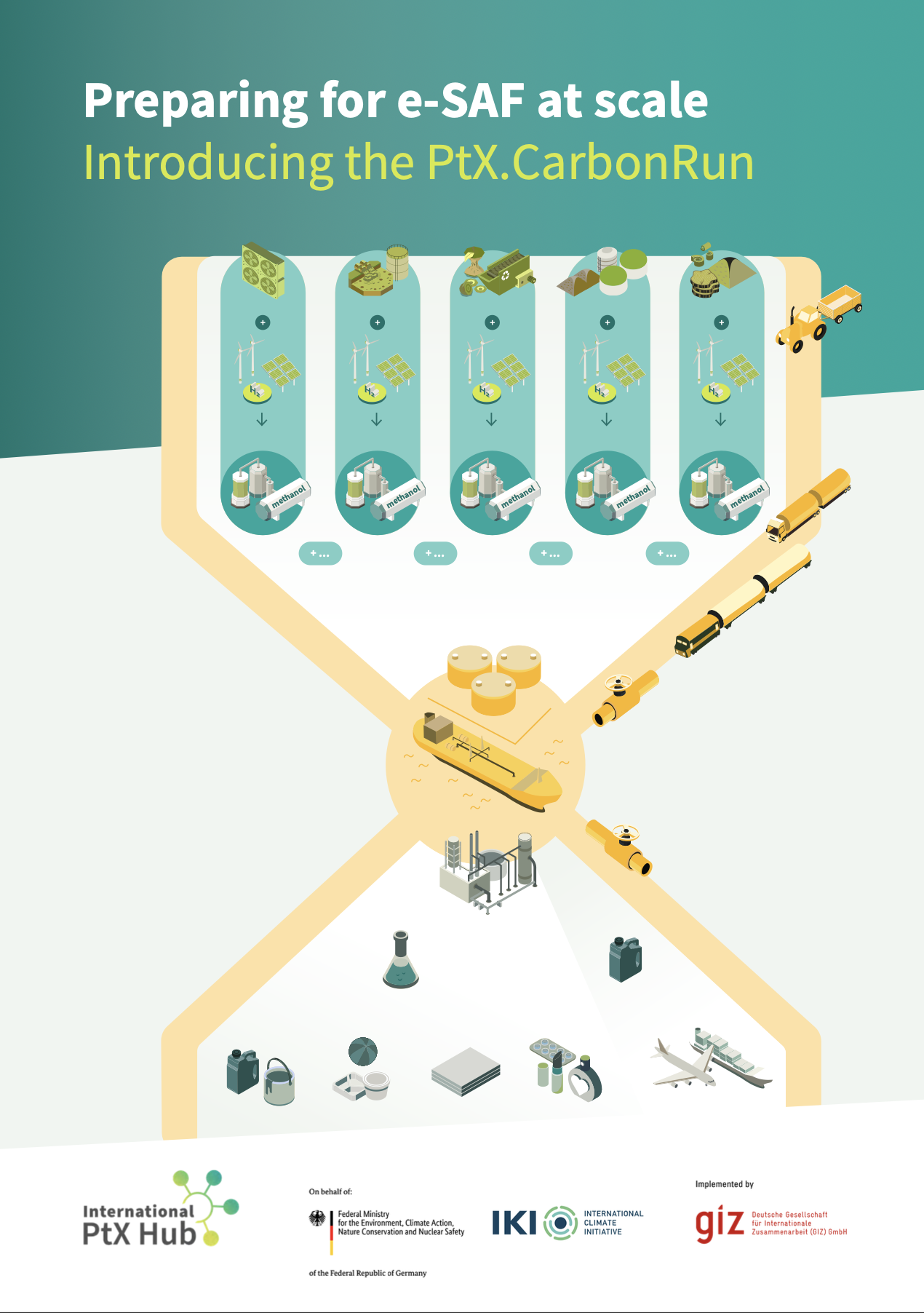
International PtX Hub: Preparing for e-SAF at scale | 2026
PHB: Analysis of the Dutch Fuel Transition Obligation - Market impacts and role of electricity in the ERE-system | 2026
Concawe: Availability Potential of Intermediate Crops in the EU to 2050 | 2026