McKinsey (2020), Clean Skies for Tomorrow Sustainable Aviation Fuels as a Pathway to Net-Zero Aviation
A transition to sustainable aviation fuels (SAF) is in reach. Enough feedstock will likely be available to fuel all aviation by 2030.
Synthesized from renewable feedstocks—such as municipal waste, agricultural residues, and waste lipids—SAF has already fueled more than a quarter million commercial flights. In addition, it is fully compatible with existing aircraft and fuel infrastructure.
Ramping up production will require the industry to scale new technologies that run on less-constrained feedstocks. To create commercial quantities of power-to-liquid fuels or e-fuels that are made only from CO2 and green electricity, technology will need to mature, and much more renewable electricity must be available.

Recente artikelen
Sustainable Aviation Fuels
Aviation
Market perspectives
PHB: Dutch SAF portfolio and opportunities for international (e-bio) SAF partnerships | 2026

E-fuels
Aviation
Sustainable Aviation Fuels
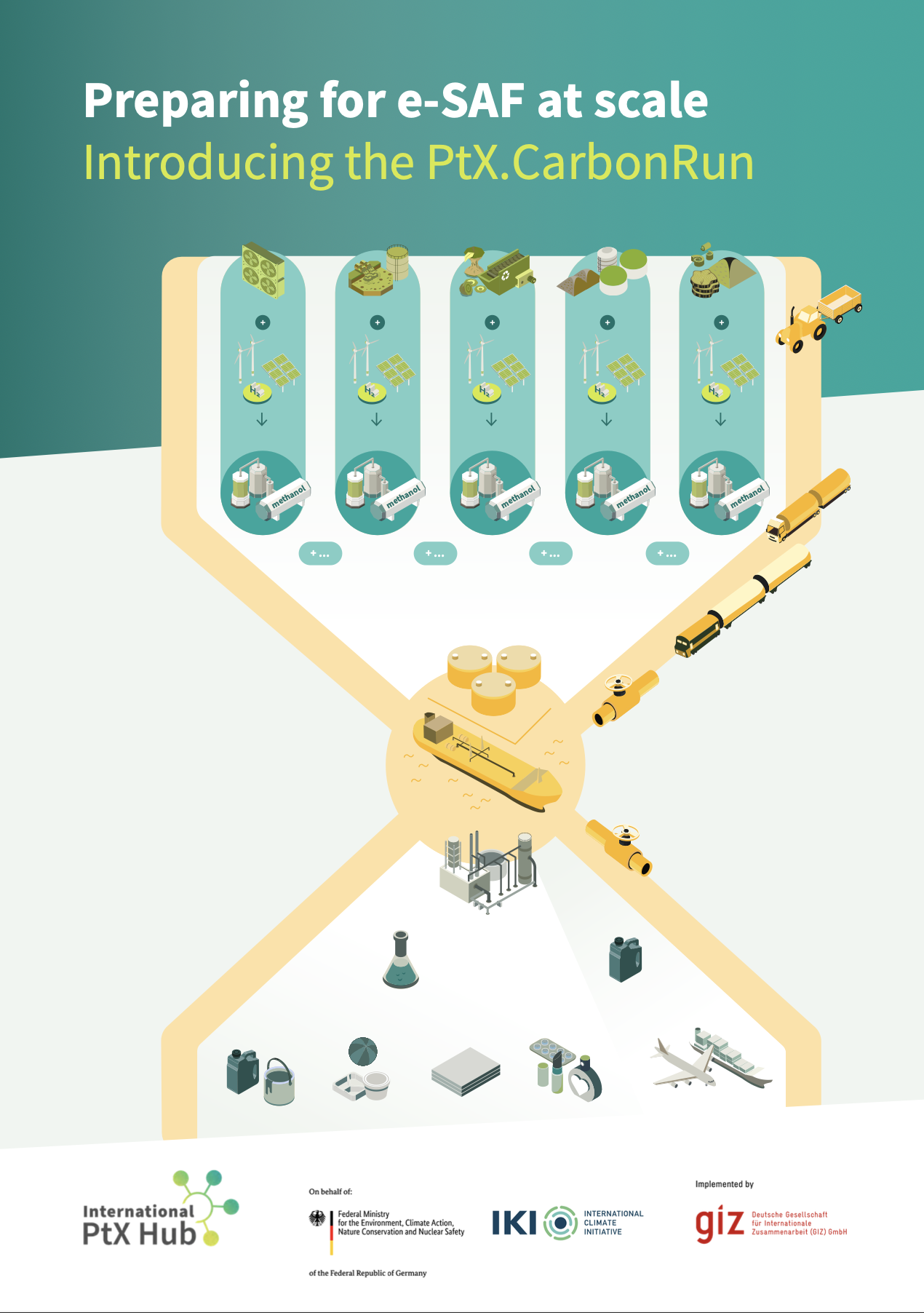
International PtX Hub: Preparing for e-SAF at scale | 2026
Aviation
Nederland
Policy and legislation
CE Delft: Eerst de koers, dan de groei - Opties om de nationale klimaatdoelen voor de luchtvaart wettelijk vast te leggen | 2026